
Advanced Object Tracking and Classification
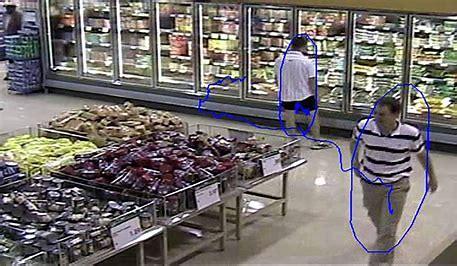
Indoor People Tracking is a Senstar Symphony-based video analytic optimized for detecting and monitoring the movement of people within indoor environments.
Typical Applications
Typical applications include intrusion detection, wrong-way detection, people counting and customer behavior analysis. The analytic retains its extremely high accuracy even in the presence of changing light conditions and shadows. Organizations can use tracked events to trigger alarms and direct operators to specific concerns, making it the perfect addition to any video surveillance system.
Lighting and Shadow Rejection
Unlike simple motion detection, the Indoor People Tracker analytic is designed to ignore changes to the video surveillance scene caused by lighting (artificial and natural), small objects and shadows. By avoiding nuisance alarms generated by non-humanoid conditions, staff can focus on what matters – responding to legitimate security events.
Alarm Zones
Draw alarm zones over video surveillance scenes to trigger alarms if a person is moving within a designated area. The Indoor People Tracker analytic protects areas where you know what should and should not be present, for example, a closed kiosk at a shopping center or an area restricted to authorized personnel only.
Wrong-Way Detection
Use virtual fences and trip wires to enclose or wall-off designated areas and monitor the direction in which a person is moving. The video management software can use these events to notify security, reducing the requirements for permanent staff at controlled egress points like gates, exit doors, or security checkpoints.
Loitering Detection
Avoid break-ins and prevent vandalism by triggering an alarm if a person has been in a predefined area for too long. This type of detection is ideal for areas where a low amount of traffic is expected outside of business hours.
Analyze Customer Behavior
Using people tracking data to generate heat maps, images provide a graphical representation of traffic patterns for a specific time. Using this information, organizations can reduce bottlenecks as well as optimize product placements and store layouts.